Domain: EducationProject Name: Gramarthan : Rural Library and Learning HubInception: 2018

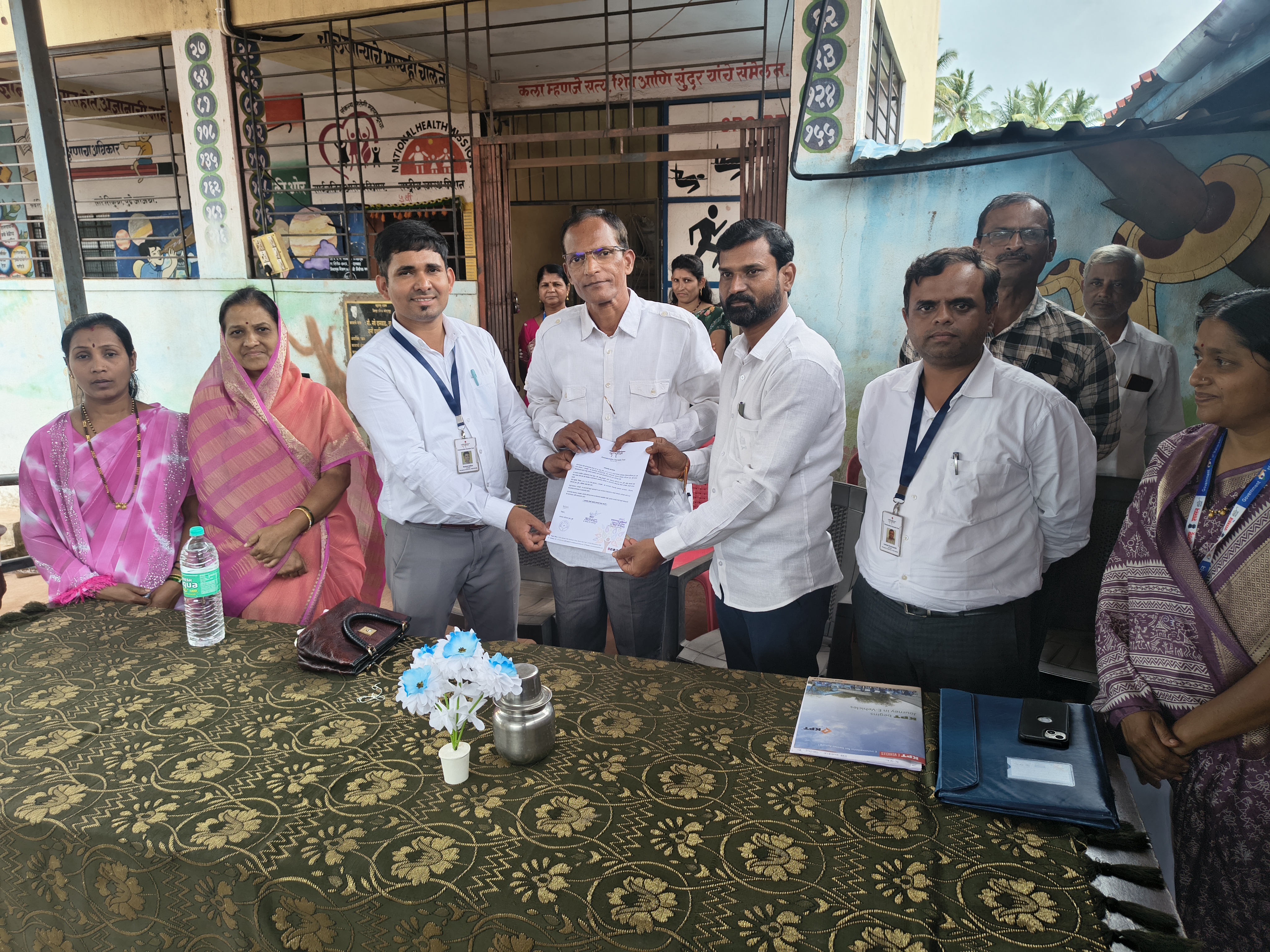
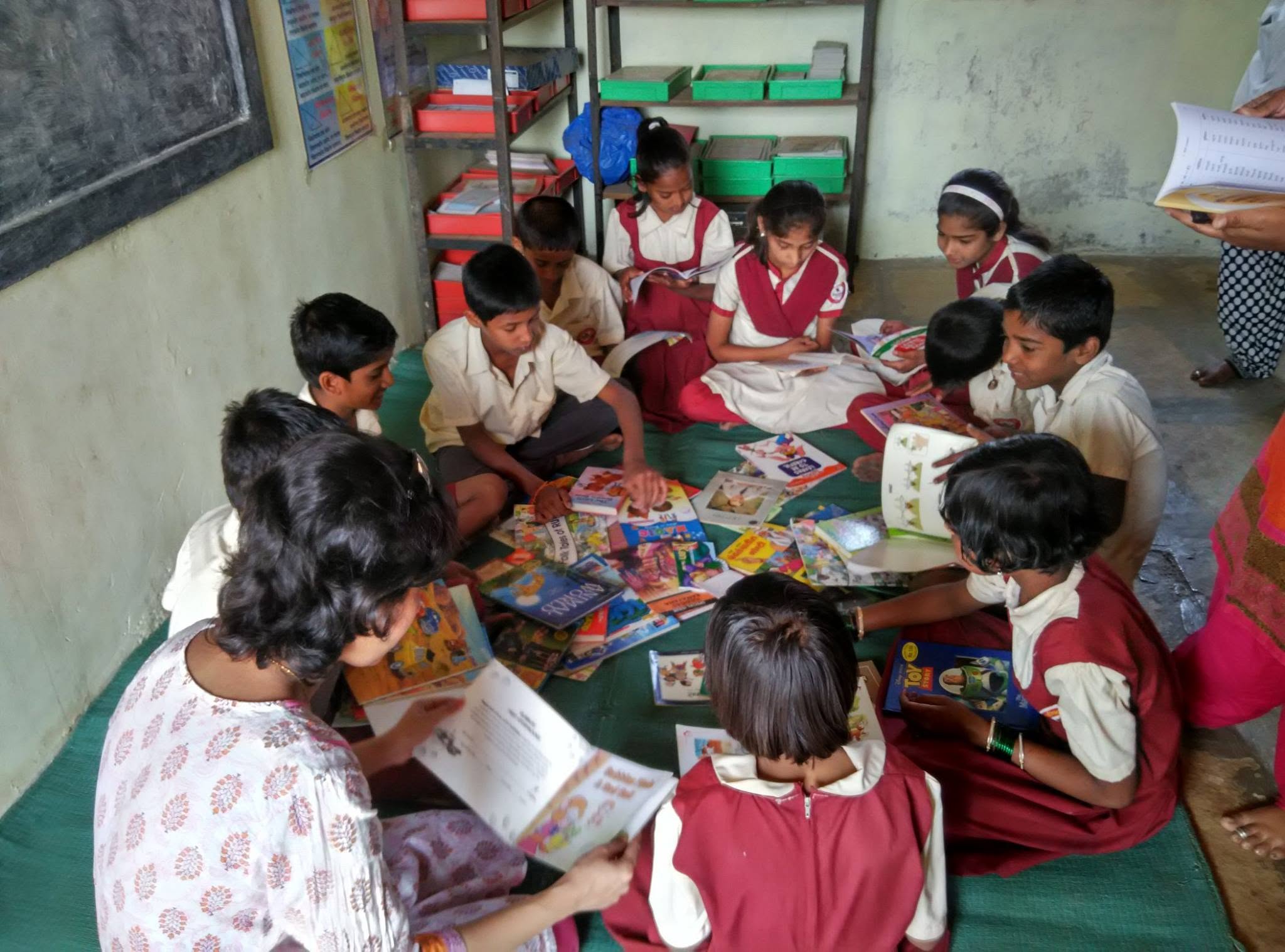
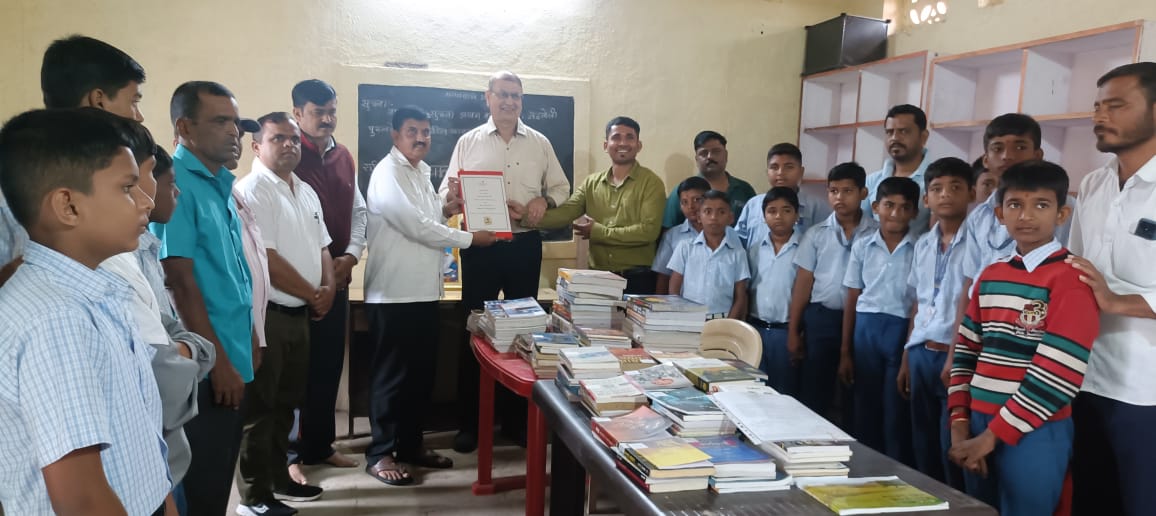
Under the Education domain, Project Gramarthan , Deepastambha Charitable Trust leads the Rural Library and Learning Hub—an initiative aimed at fostering an enduring culture of reading, curiosity, and independent study in rural communities. By establishing well-resourced village and school libraries, the project provides children, students, and youth with equitable access to quality learning resources that are often absent in rural areas.

The initiative moves beyond classroom textbooks to bridge the educational resource gap between rural and urban learners. Each library is equipped with age-appropriate literature, reference materials, study infrastructure, and specialized collections supporting competitive examinations, career exploration, modern agriculture, and rural entrepreneurship. Designed as vibrant community knowledge hubs, these spaces nurture academic confidence, inspire self-learning, and encourage lifelong personal development.
Rural Library and Learning Hub

SDG Mapping

  • SDG 4: Quality Education (Improving access to diverse learning materials, reference volumes, and lifelong educational support)
  • SDG 10: Reduced Inequalities (Bridging the educational and informational resource divide between rural and urban students)
  • SDG 11: Sustainable Cities and Communities (Creating inclusive, decentralized community learning spaces in rural settlements)

Highlights and Key Achievements

  • 08 Rural Libraries Established: Set up across village centers and government schools in rural Maharashtra.
  • 16,000+ Students Benefited: Direct educational enrichment for primary, secondary, and higher-secondary learners.
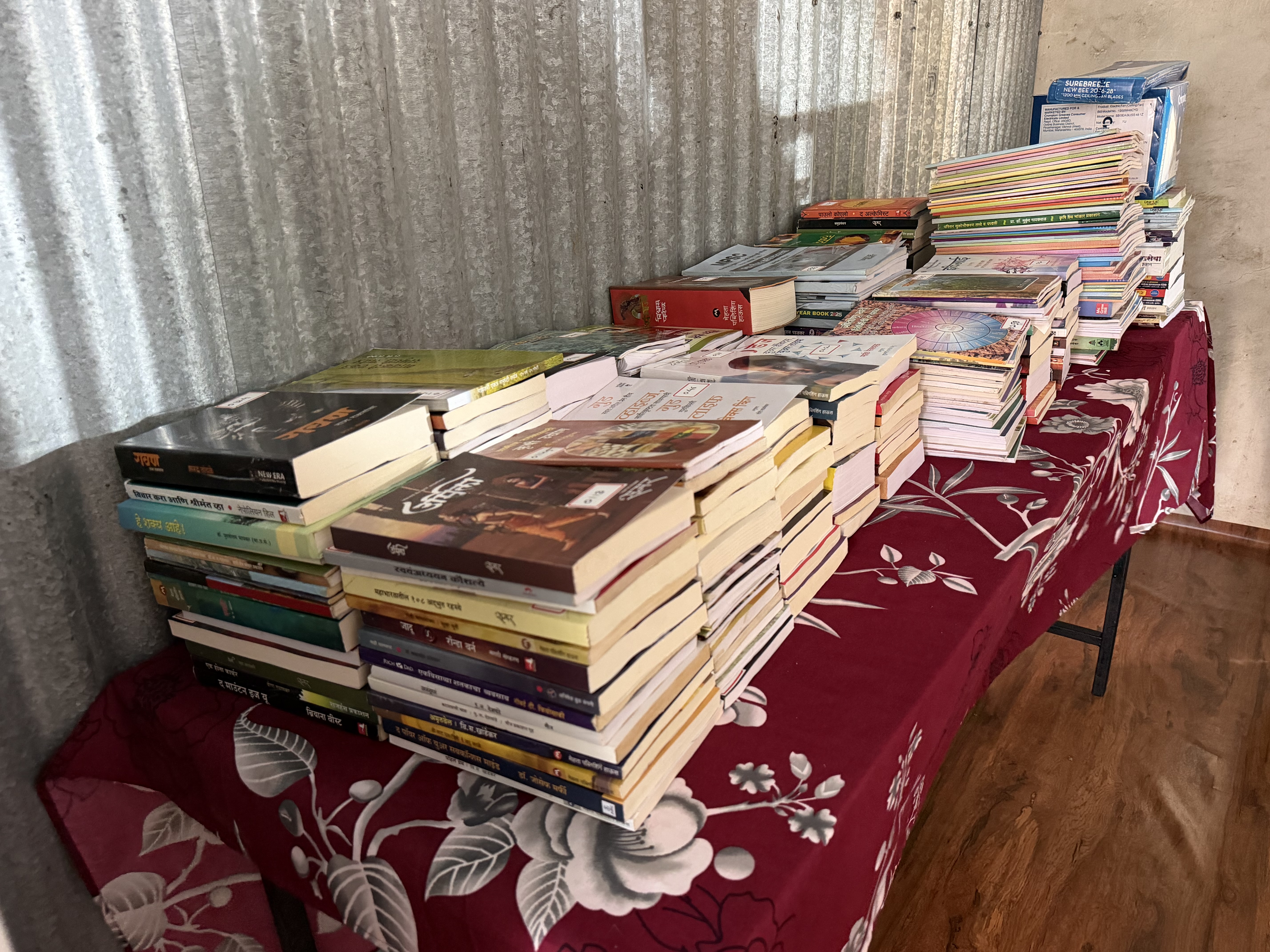
  • 5,000+ Curated Books Made Accessible: Diverse collections spanning regional literature, science, competitive exams, and agriculture.
  • Essential Infrastructure Provided: Outfitted reading spaces with heavy-duty book cupboards, study tables, ceiling fans, and lighting.
  • Multi-Disciplinary Knowledge Corners: Dedicated resource sections for competitive exam preparation, career counseling, farming techniques, and rural business development.

Various Initiatives : Impact Created

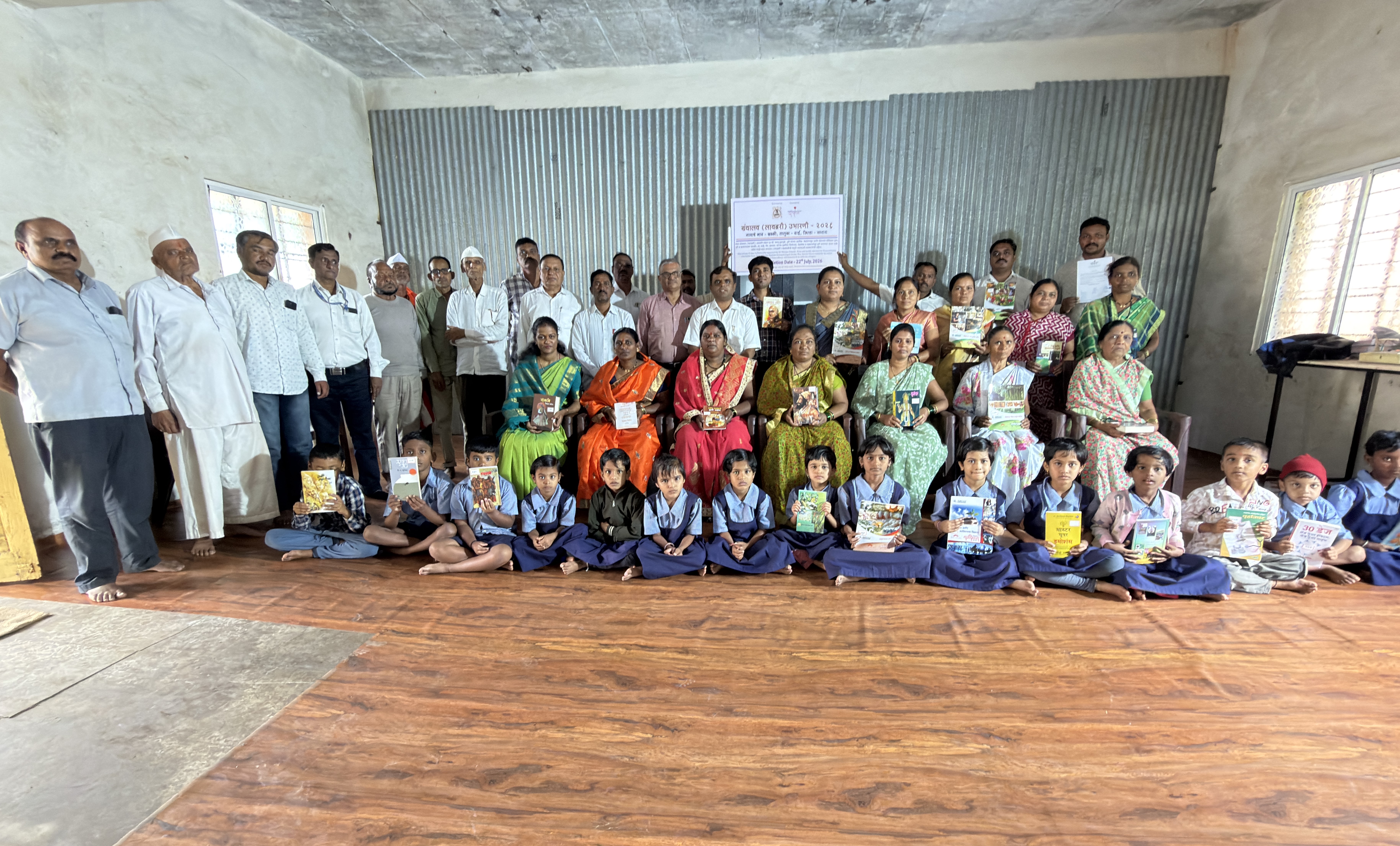
  • Village Community Knowledge Spaces:Impact: Creates accessible neighborhood learning hubs where youth, women, and elders read, discuss, and self-educate, strengthening community-wide educational engagement.
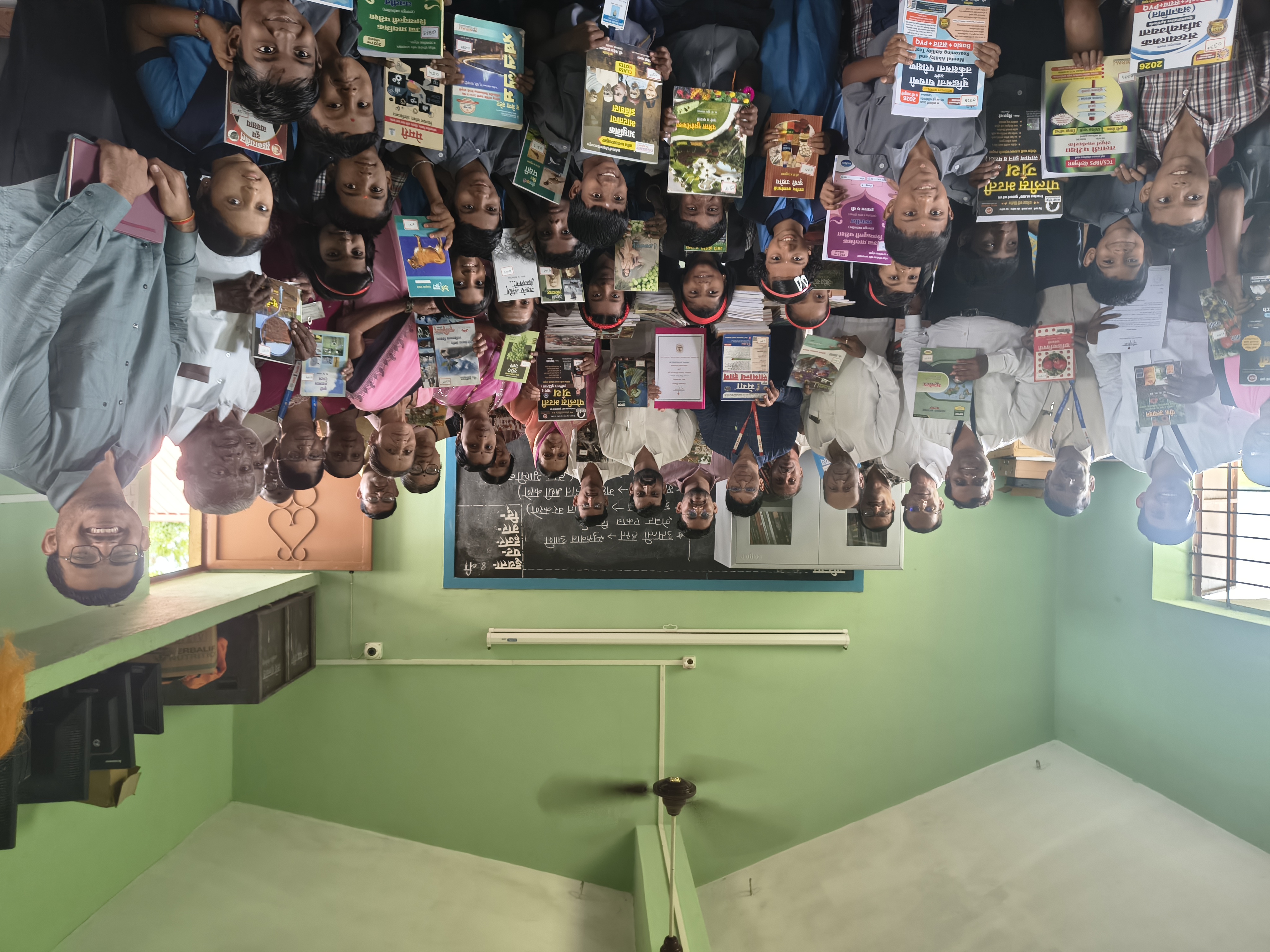
  • School Library Augmentation:Impact: Enriches rural school ecosystems with reference works and storybooks beyond standard curricula, building language fluency, imagination, and academic curiosity.
  • Reading, Literature and Katha-Kadambari Collections:Impact: Promotes habitual reading among children through folk tales, regional novels, biographies, and general knowledge books, improving vocabulary and critical thinking.
  • Competitive Exam and Career Guidance Corners:Impact: Equips ambitious rural youth with preparatory materials for administrative, banking, defense, and higher-education entrance tests, opening paths to professional careers.
  • Agriculture and Entrepreneurship Knowledge Desks:Impact: Delivers actionable reference materials on advanced farming practices, agro-processing, and micro-business management to local cultivators and aspiring rural entrepreneurs.

Geography

  • Focal State: Maharashtra (rural schools, village centers, and community spaces).
  • Key Village Locations Covered:
    • Satara District: Mangalpur (Tal. Koregaon); Kameri; Khadaki (Tal. Wai)
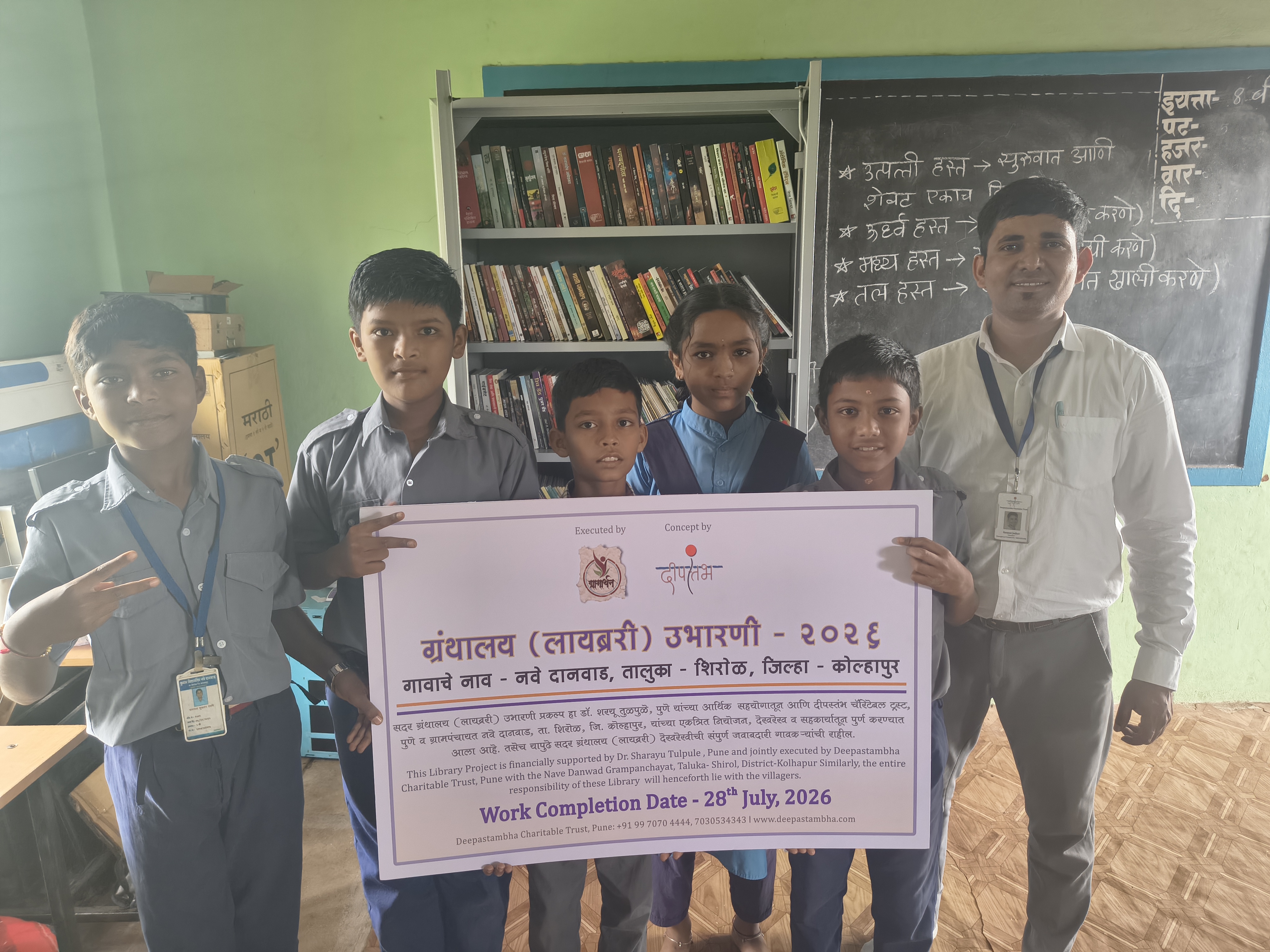
    • Kolhapur District: Nave Danwad (Tal. Kagal)
    • Pune District: Ranjane and Kondgaon (Tal. Rajgad)
    • Ratnagiri District: Ambadas (Tal. Khed); Adare (Tal. Chiplun)
    • Solapur District: Masle Choudhan (Tal. Mohol) - Maslechaudhari

Why With Us?

  • Holistic Learning Ecosystem: Goes beyond basic book donations by providing complete study infrastructure—sturdy cupboards, comfortable seating, and ambient lighting.
  • Diverse, Need-Based Collections: Combines recreational children's literature with practical career books, farming guides, and competitive exam modules tailored to community needs.
  • Deep Community Ownership: Partner Gram Panchayats and school committees actively manage, protect, and maintain library assets to ensure long-term utility.
  • Measurable Educational Outcomes: Tracks student footfall, book circulation rates, and competitive examination participation for clear impact reporting.
  • Scalable CSR Model: Offers transparent implementation, straightforward verification, and seamless alignment with Schedule VII education and rural development mandates.

Testimonials

“The library has created a valuable learning space for our children and youth. Earlier, access to good books and study material was limited. Today, students can easily access books for academic learning, competitive examinations, and career guidance. The library has not only provided infrastructure and books but has also encouraged children to develop a regular reading habit, supporting educational growth and aspirations of our rural students.”

Dr. Chogonda Patil, Sarpanch, Gram Panchayat Nave Danwad, Tal. Shirol, Dist. Kolhapur

“Noticing how rarely children today sit down with physical books, I initially wanted to set up basic village libraries to bring back reading habits. DCT took that thought a step further, smartly designing community spaces that serve not just students, but entire villages. Rather than leaving books on shelves, their innovative sessions and competitions actively teach kids how to handle books, read deeply, and express their thoughts with confidence.”

Ms. Sharayu Donor for this initiative

Connect With Us